Search engine optimization has changed dramatically over the last decade. There was a time when simply placing a keyword multiple times on a page could help a website climb search engine rankings. Those days are long gone. Today, search engines use artificial intelligence, machine learning, semantic understanding, and user behavior signals to determine which content deserves visibility. Because of these advancements, many marketers and website owners are asking a critical question: Are keywords still important for SEO in 2026?
The simple answer is yes. Keywords remain a foundational part of SEO, but their role has evolved significantly. Search engines no longer rely on exact-match keyword repetition. Instead, they focus on understanding user intent, context, entities, and topical relevance. Keywords act as signals that help search engines understand what a page is about, but they are only one piece of a much larger puzzle. Recent SEO industry research confirms that keywords still matter, although modern ranking systems prioritize intent and topic coverage over keyword density.
This guide explores how keywords work in modern SEO, why they remain valuable, and how to use them effectively in 2026 to improve rankings, traffic, and conversions.
Understanding the Evolution of Keywords
How SEO Used to Work
In the early days of search engines, ranking algorithms were relatively simple. Search engines primarily looked for keyword matches between a user’s query and website content. Website owners quickly discovered that repeating a target keyword dozens of times could improve rankings. This practice, known as keyword stuffing, became widespread.
As search engines matured, they began identifying manipulative tactics. Algorithm updates were introduced to reward quality content and penalize spammy optimization techniques. The focus gradually shifted away from keyword frequency and toward relevance, authority, and user satisfaction.
Keywords still played an important role during this transition, but search engines became much better at understanding relationships between words and topics. Instead of counting keyword occurrences, they started analyzing content quality and contextual meaning.
The Rise of Semantic Search
Semantic search transformed the SEO landscape. Rather than matching exact words, search engines began interpreting the meaning behind queries. Technologies such as natural language processing, machine learning, and AI-driven understanding helped search engines identify user intent more accurately.
Today, Google and other search platforms analyze topics, entities, relationships, and context. A page can rank for hundreds of related keywords without targeting every phrase individually. Research shows that top-ranking pages often rank for hundreds or even thousands of keyword variations because they comprehensively cover a topic rather than focusing on one exact phrase.
Do Keywords Still Matter in 2026?
The Short Answer
Yes, keywords absolutely still matter in 2026. However, they matter differently than they did years ago. Keywords are no longer ranking hacks. Instead, they serve as indicators of what users are searching for and what content creators should address.
Think of keywords as road signs. They guide search engines toward understanding your content while helping you identify what your audience wants. Without keyword research, it becomes difficult to align content with real search demand.
Industry experts consistently agree that keyword research remains a critical SEO activity because it reveals user interests, problems, and purchase intent.
Why Search Engines Still Need Keywords
Even with advanced AI systems, search engines require signals to understand content. Keywords help establish relevance, clarify topics, and connect user queries with appropriate answers.
Consider someone searching for “best CRM software for small businesses.” Search engines analyze the query and look for content discussing CRM solutions, business management software, comparisons, pricing, and user benefits. Keywords provide the initial context that helps algorithms identify relevant resources.
Without strategic keyword usage, content may become too vague or disconnected from actual search behavior. Keywords remain essential because they bridge the gap between what users ask and what websites provide.
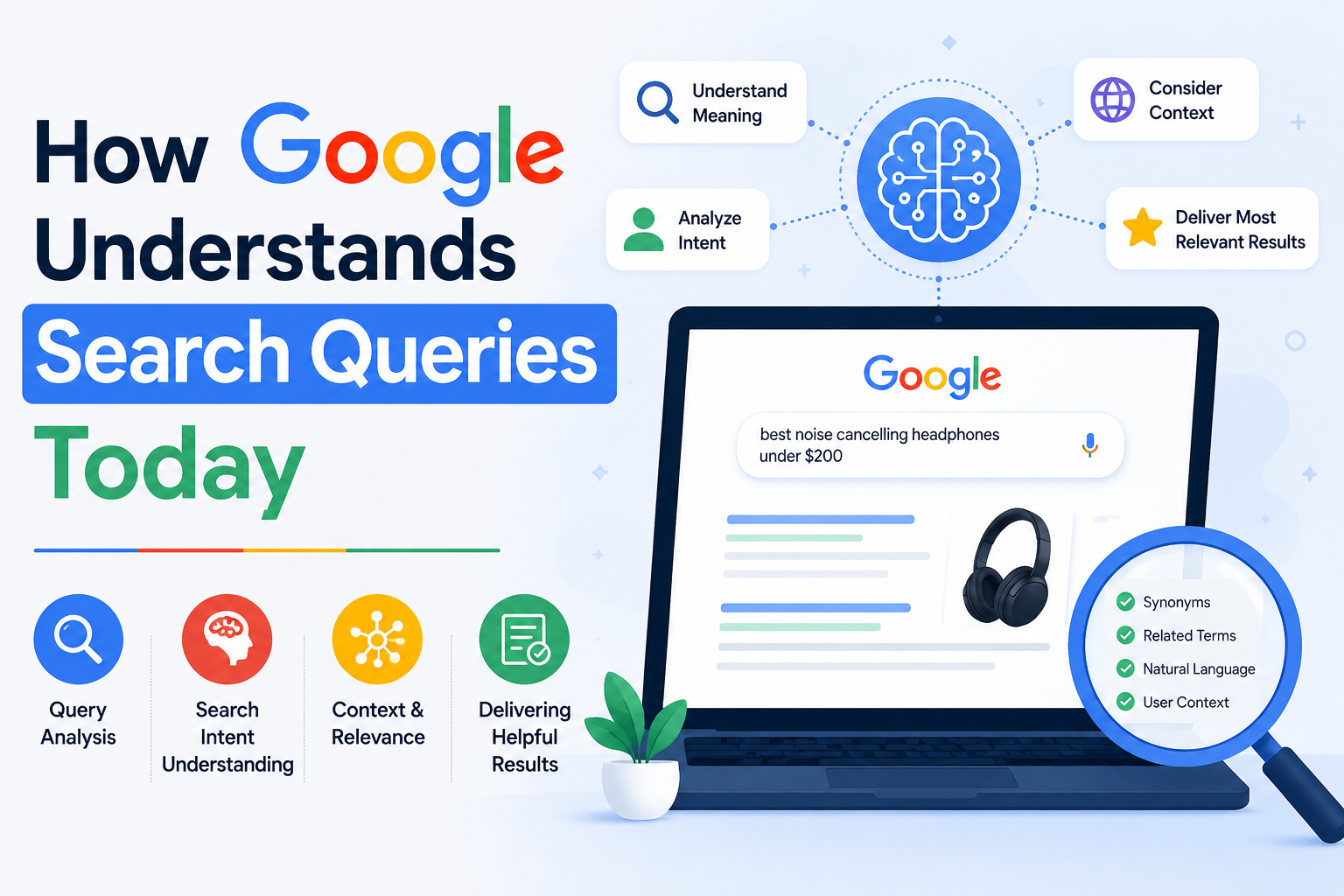
How Google Understands Search Queries Today
Search Intent Over Exact Match Keywords
Modern SEO revolves around search intent. Search engines aim to understand why someone performs a search rather than simply matching words.
There are four primary intent categories:
| Search Intent | Purpose | Example |
| Informational | Learn something | What is SEO? |
| Navigational | Find a specific site | Facebook login |
| Commercial | Compare options | Best SEO tools |
| Transactional | Take action | Buy SEO software |
When creating content, matching user intent is often more important than inserting an exact keyword repeatedly. Search engines prioritize pages that fully satisfy the user’s goal.
AI and Contextual Understanding
AI-powered search systems can understand synonyms, related concepts, and conversational language. For example, a page optimized for “SEO keyword research” may also rank for phrases like “finding SEO keywords” or “keyword analysis strategies.”
This contextual understanding means content creators should focus on comprehensive topic coverage rather than forcing exact keyword matches. The goal is to answer questions thoroughly and naturally.
The Biggest SEO Changes Affecting Keywords
AI-Powered Search Results
The growth of AI-generated search experiences has changed how users interact with search engines. AI summaries and conversational search interfaces often provide direct answers before users click a website.
This doesn’t eliminate the need for keywords. Instead, it increases the importance of creating content that clearly answers specific questions and demonstrates expertise. Websites that align their content with user intent and keyword demand are more likely to be cited in AI-generated responses.
Voice Search and Conversational Queries
Voice search continues influencing keyword strategies. Users now ask complete questions instead of typing short phrases. For example, someone might say, “What are the best SEO practices for small businesses in 2026?”
This shift has increased the value of long-tail and question-based keywords. Content optimized around natural language patterns often performs better in conversational search environments.
Types of Keywords That Still Work in 2026
Short-Tail Keywords
Short-tail keywords are broad search terms containing one to three words. Examples include “SEO,” “marketing,” or “web design.”
These keywords usually have high search volume but intense competition. While they can drive significant traffic, ranking for them often requires strong authority and extensive content depth.
Long-Tail Keywords
Long-tail keywords remain extremely valuable in 2026. Research indicates that long-tail searches continue driving highly targeted traffic because they reveal specific user intent.
Examples include:
- Best SEO strategy for local businesses
- How to optimize blog posts for AI search
- SEO tools for ecommerce websites
Long-tail keywords often convert better because users searching these phrases know exactly what they need.
Question-Based Keywords
As conversational search grows, question-based keywords are becoming increasingly important.
Examples include:
- Are keywords still important for SEO?
- How does keyword research work?
- What is semantic SEO?
Creating content that directly answers these questions can improve visibility in featured snippets and AI-generated search responses.
Commercial Intent Keywords
Commercial keywords indicate users are researching products or services before making a decision.
Examples include:
- Best SEO software
- Top keyword research tools
- Ahrefs vs Semrush
These keywords often generate valuable leads and conversions because users are closer to making purchasing decisions.
Keyword Research Best Practices for 2026
Focus on Intent
Keyword research is no longer about finding the highest-volume terms. The real objective is understanding user intent.
When evaluating keywords, ask:
- What problem is the user trying to solve?
- What type of content are they expecting?
- Are they researching or buying?
The answers help create content that aligns with user expectations and search engine goals.
Build Topic Clusters
Topic clusters have become one of the most effective SEO strategies. Instead of targeting isolated keywords, create interconnected content around a central subject.
For example:
Main Topic: SEO
Supporting Topics:
- Keyword research
- Technical SEO
- On-page SEO
- Link building
- AI SEO
This structure helps establish topical authority and improves visibility across multiple related searches.
Common Keyword Mistakes to Avoid
Keyword Stuffing
Keyword stuffing remains one of the biggest SEO mistakes. Repeating a phrase excessively creates a poor user experience and can harm rankings.
Modern search engines understand language naturally. Use keywords where they make sense, but prioritize readability and value.
Ignoring User Experience
Some content creators become so focused on optimization that they forget about readers. Search engines increasingly measure engagement signals such as click-through rates, dwell time, and user satisfaction.
If visitors quickly leave your page because it is difficult to read or lacks useful information, rankings may suffer regardless of keyword optimization.
Keywords and AI Search Optimization
Optimizing for AI Overviews
AI-generated search experiences rely heavily on structured, authoritative content. To improve visibility:
- Answer questions directly.
- Use descriptive headings.
- Include factual information.
- Provide unique insights.
- Demonstrate expertise.
Keywords help AI systems understand topic relevance, but authority and content quality determine whether your information gets cited.
Ranking in Conversational Search
Conversational search requires content that sounds natural and addresses real user questions. Rather than targeting a single phrase repeatedly, focus on creating comprehensive resources that cover multiple related queries.
This approach helps content perform across traditional search results, AI summaries, and voice search platforms.
Future of Keywords Beyond 2026
The future of SEO is not keyword-free. Instead, keywords will continue evolving as part of a broader content strategy. Search engines will become even better at understanding context, intent, and user behavior.
Successful SEO professionals will Target less on keyword density and more on audience understanding. Keyword research will remain important because it reveals market demand, customer needs, and content opportunities. The difference is that keywords will function as strategic guides rather than ranking shortcuts.
As AI-driven search continues growing, businesses that combine keyword intelligence with topical authority, strong user experience, and trustworthy content will maintain a competitive advantage. The websites that win in the future will be those that genuinely help users while communicating relevance clearly to search engines.
Conclusion
Keywords are still important for SEO in 2026, but their role has changed dramatically. Search engines no longer reward pages simply because they contain an exact phrase multiple times. Instead, they evaluate how well content satisfies user intent, covers a topic comprehensively, and delivers value.
Modern SEO requires a balance between keyword research, semantic optimization, topical authority, and user-focused content creation. Keywords remain the foundation for understanding what people search for, while quality content transforms that knowledge into rankings and traffic.
Businesses and marketers who adapt to this modern approach will continue benefiting from organic search visibility, even as AI reshapes the search landscape. The future belongs to content creators who understand both the language of their audience and the evolving intelligence of search engines.
Frequently Asked Questions
1. Are keywords dead in SEO?
No. Keywords are not dead. They remain essential for understanding user searches and optimizing content, but keyword stuffing and outdated tactics no longer work.
2. Does keyword density matter in 2026?
Keyword density has very little importance today. Search engines focus on context, relevance, and intent rather than counting exact keyword occurrences.
3. Are long-tail keywords still effective?
Yes. Long-tail keywords continue driving highly targeted traffic and often convert better because they reflect specific user intent.
4. How do AI search engines use keywords?
AI search engines use keywords as relevance signals while also analyzing context, entities, and semantic relationships to understand content meaning.
5. What is more important than keywords in SEO?
User intent, content quality, topical authority, website experience, and trust signals are often more influential than keyword placement alone. Keywords remain important but are only one part of a successful SEO strategy.