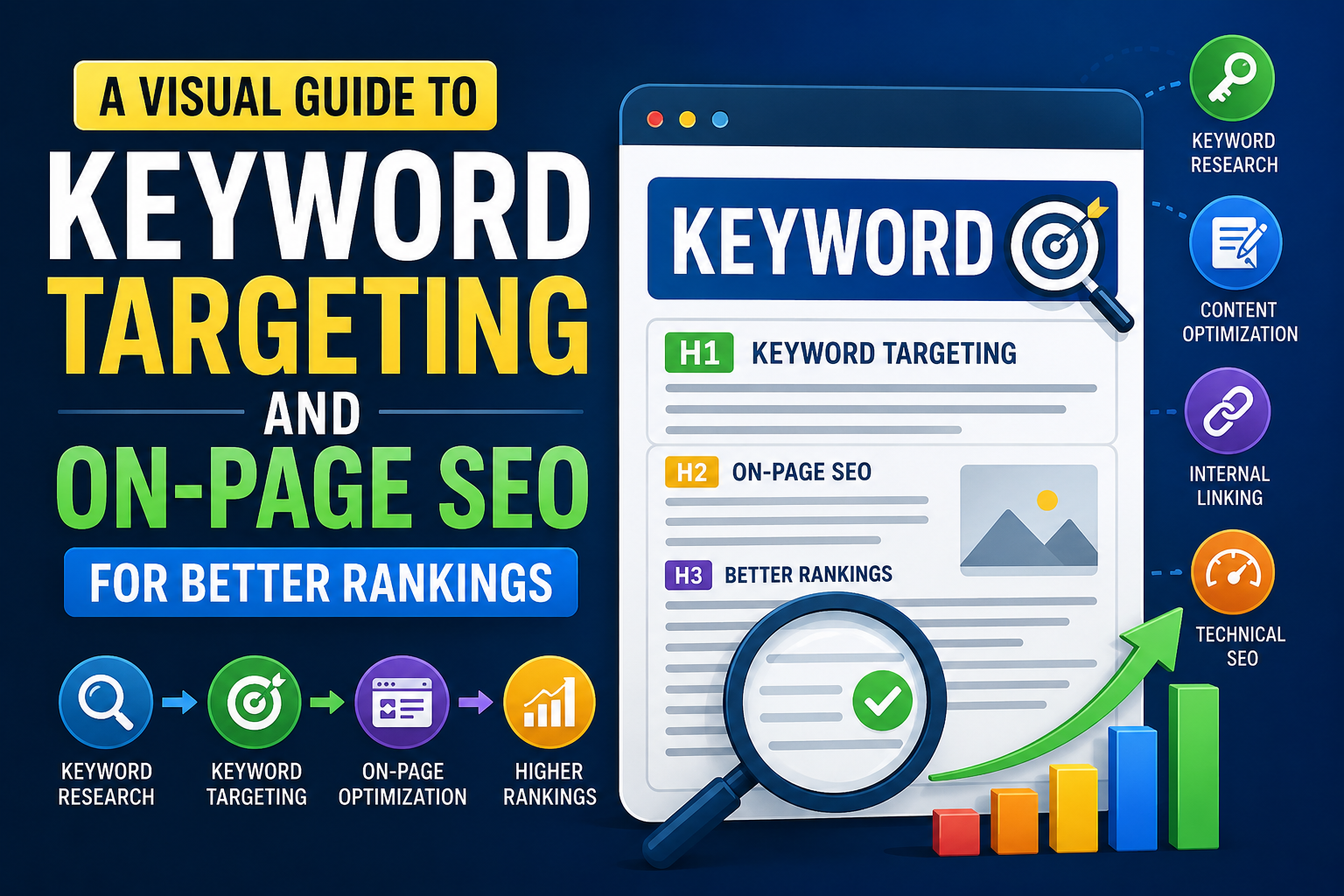
Search engine optimization has changed dramatically over the last few years, yet two elements continue to dominate successful ranking strategies: keyword targeting and on-page SEO. While search engines have become smarter thanks to artificial intelligence and natural language processing, they still rely on clear signals to understand what a page is about. Those signals come from the way keywords are used, how content is structured, and how well a page satisfies user intent. Businesses that understand these fundamentals consistently outperform competitors, even in highly competitive industries. This article serves as a visual guide to keyword targeting and on page seo, helping marketers understand how search engines interpret content and rank web pages.
Recent SEO studies show that keyword placement in title tags, heading structures, and content remains one of the strongest relevance signals for search engines. Research also indicates that pages with well-structured internal linking and optimized metadata continue to gain measurable ranking improvements. At the same time, search engines increasingly evaluate content quality, user experience, and topic relevance rather than simple keyword repetition. This means modern SEO requires a balance between optimization and user-focused content. By following a visual guide to keyword targeting and on page seo, businesses can create content that aligns with search intent while improving visibility in search engine results.
Think of your website as a library. Keywords act as labels on the shelves, while on-page SEO serves as the organizational system helping visitors and search engines locate the right information quickly. Without clear labels and organization, even the best content can remain hidden. This guide provides a visual approach to keyword targeting and on-page SEO so you can create content that ranks higher, attracts more visitors, and generates better results.
Understanding the Relationship Between Keywords and SEO
Why Keywords Still Matter in Modern Search
Many marketers wonder whether keywords are still relevant in an era dominated by AI-powered search. The answer is yes, but their role has evolved. Keywords remain the foundation of relevance because they help search engines connect user queries with the most appropriate content. When someone searches for information online, search engines analyze keywords, context, and intent to determine which pages deserve visibility.
Studies reveal that including target keywords in strategic locations such as title tags, H1 headings, and introductory content continues to correlate with stronger rankings. Search engines use these signals to understand topical relevance and determine whether a page addresses the user’s query effectively. Keyword optimization is no longer about repeating the same phrase dozens of times. Instead, it focuses on demonstrating expertise around a topic through comprehensive coverage and semantic relevance.
The modern approach to keyword targeting emphasizes user intent. Rather than asking, “How many times should I use a keyword?” successful SEO professionals ask, “Does this content fully answer the user’s question?” That shift has transformed keyword research from a technical exercise into a strategic process that aligns business goals with audience needs.
How Search Engines Interpret User Intent
Search engines have become increasingly sophisticated in understanding what users actually mean when they type a query. A search for “best running shoes” indicates commercial research intent, while “how to choose running shoes” signals informational intent. Understanding these differences is essential for effective keyword targeting.
Google and other search engines analyze context, synonyms, entity relationships, and behavioral signals to determine the most relevant results. This means pages that align closely with search intent often outrank pages that simply contain exact-match keywords. Content that provides comprehensive answers, practical examples, and a positive user experience tends to perform better because it satisfies the underlying need behind the search query.
A helpful way to visualize search intent is to imagine a customer journey. Some users want information, some want comparisons, and others are ready to make a purchase. Matching content to these stages dramatically improves both rankings and conversions.
The Evolution of Keyword Targeting
From Exact Match Keywords to Semantic SEO
SEO once revolved around exact-match keywords. Marketers would repeat the same phrase multiple times in hopes of improving rankings. Today, that strategy is ineffective and can even harm performance. Search engines now understand semantic relationships between words and phrases, allowing them to recognize topic relevance without excessive repetition.
Semantic SEO focuses on covering a subject comprehensively. For example, an article about keyword targeting might naturally include terms such as search intent, keyword research, content optimization, ranking factors, and user experience. These related terms help search engines understand the broader context of the page.
This evolution has created opportunities for content creators to write naturally while still optimizing effectively. Instead of forcing keywords into every sentence, writers can focus on answering questions and providing valuable insights. Search engines reward content that demonstrates expertise, authority, and trustworthiness through depth and relevance.
The Role of AI and Search Intent
Artificial intelligence has fundamentally changed how search engines process content. AI systems evaluate context, meaning, and user satisfaction rather than relying solely on keyword frequency. As a result, successful keyword targeting now requires understanding the broader topic landscape.
Modern SEO professionals use keyword research as a starting point rather than the final destination. They identify user questions, related topics, and content gaps. Then they create resources that address these needs comprehensively. This approach not only improves rankings but also enhances engagement and conversions because users find the information they need without returning to search results.
Types of Keywords Every SEO Strategy Needs
Short-Tail Keywords
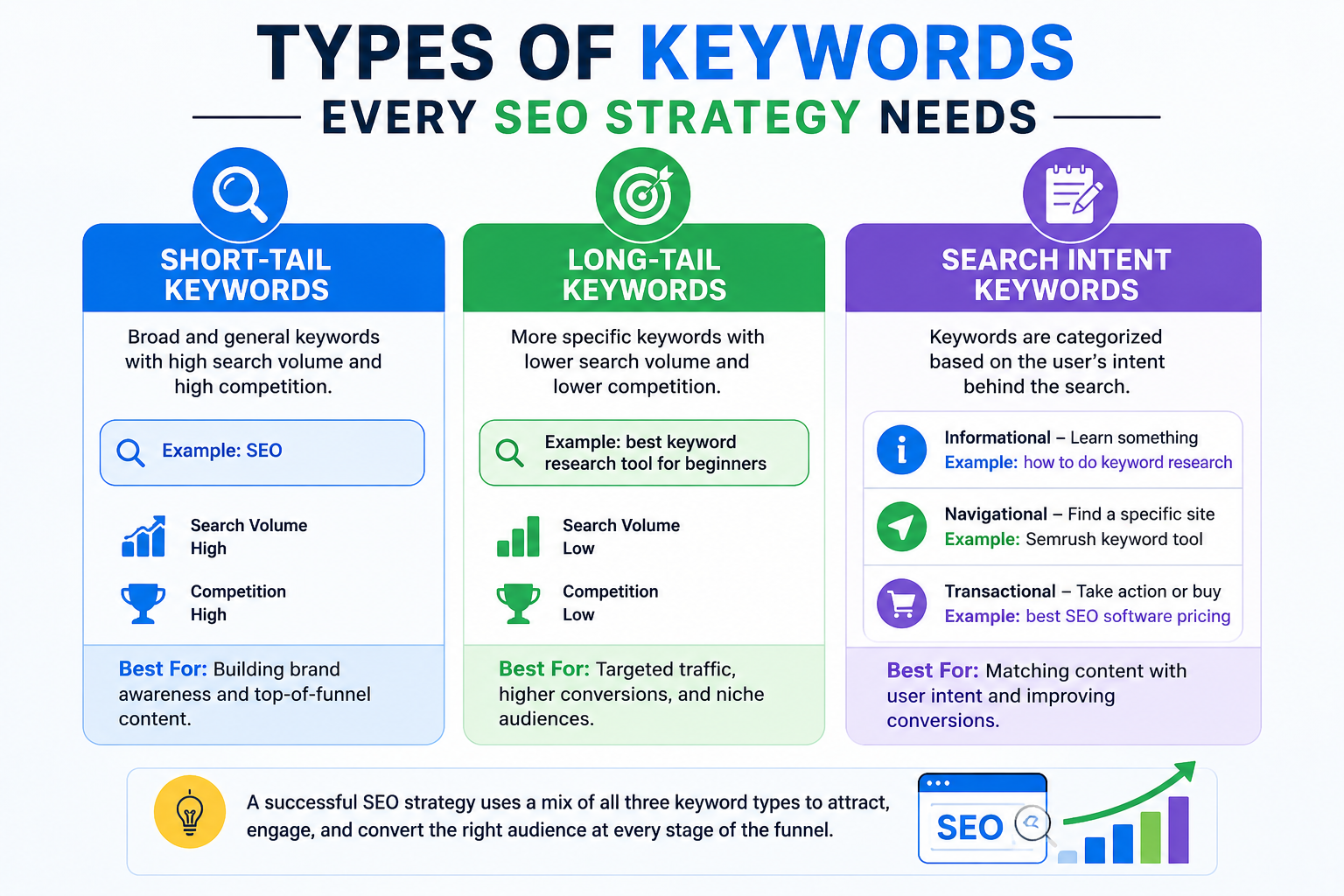
Short-tail keywords are broad search terms consisting of one to three words. Examples include “SEO,” “digital marketing,” or “keyword research.” These keywords typically have high search volumes but also face intense competition. Ranking for them can be challenging, especially for newer websites.
Short-tail keywords are valuable because they help establish topical relevance. They often serve as the foundation of broader content strategies. However, relying exclusively on these terms can limit visibility because competition is so fierce.
Long-Tail Keywords
Long-tail keywords consist of more specific phrases that usually contain three or more words. Examples include “best keyword research tools for beginners” or “how to optimize title tags for SEO.” These keywords generally have lower search volume but higher conversion potential.
Research indicates that long-tail keywords account for a significant percentage of search traffic and often generate stronger engagement because they reflect specific user needs. Users searching with detailed queries are usually closer to taking action, making these keywords extremely valuable for businesses.
Transactional, Informational, and Navigational Keywords
| Keyword Type | Purpose | Example |
| Informational | Learn something | How to perform keyword research |
| Navigational | Find a specific website | Semrush keyword tool |
| Transactional | Take action or buy | Best SEO software pricing |
Understanding these categories helps marketers create content that matches user intent and drives meaningful results.
Visual Framework for Keyword Mapping
Building a Topic Cluster Structure
A visual approach to keyword targeting begins with topic clusters. Imagine a wheel where the central hub represents your primary topic and surrounding spokes represent supporting subtopics. This structure helps organize content logically while strengthening topical authority.
For example:
Core Topic: On-Page SEO
- Keyword Research
- Meta Tags
- Internal Linking
- Image Optimization
- Technical SEO
- Search Intent
Each supporting topic links back to the central page, creating a network of relevance that search engines can easily understand. This strategy improves crawlability and helps distribute authority throughout your website.
Avoiding Keyword Cannibalization
Keyword cannibalization occurs when multiple pages target the same keyword and compete against each other. Instead of strengthening rankings, this creates confusion for search engines and dilutes authority. A clear keyword mapping strategy prevents this issue by assigning a primary keyword to each page while supporting related terms naturally.
Think of keyword mapping as city planning. Every page needs its own address and purpose. When multiple pages try to occupy the same location, confusion follows. Organized content architecture ensures every page contributes uniquely to overall SEO performance.
On-Page SEO Elements That Influence Rankings
Title Tags and Meta Descriptions
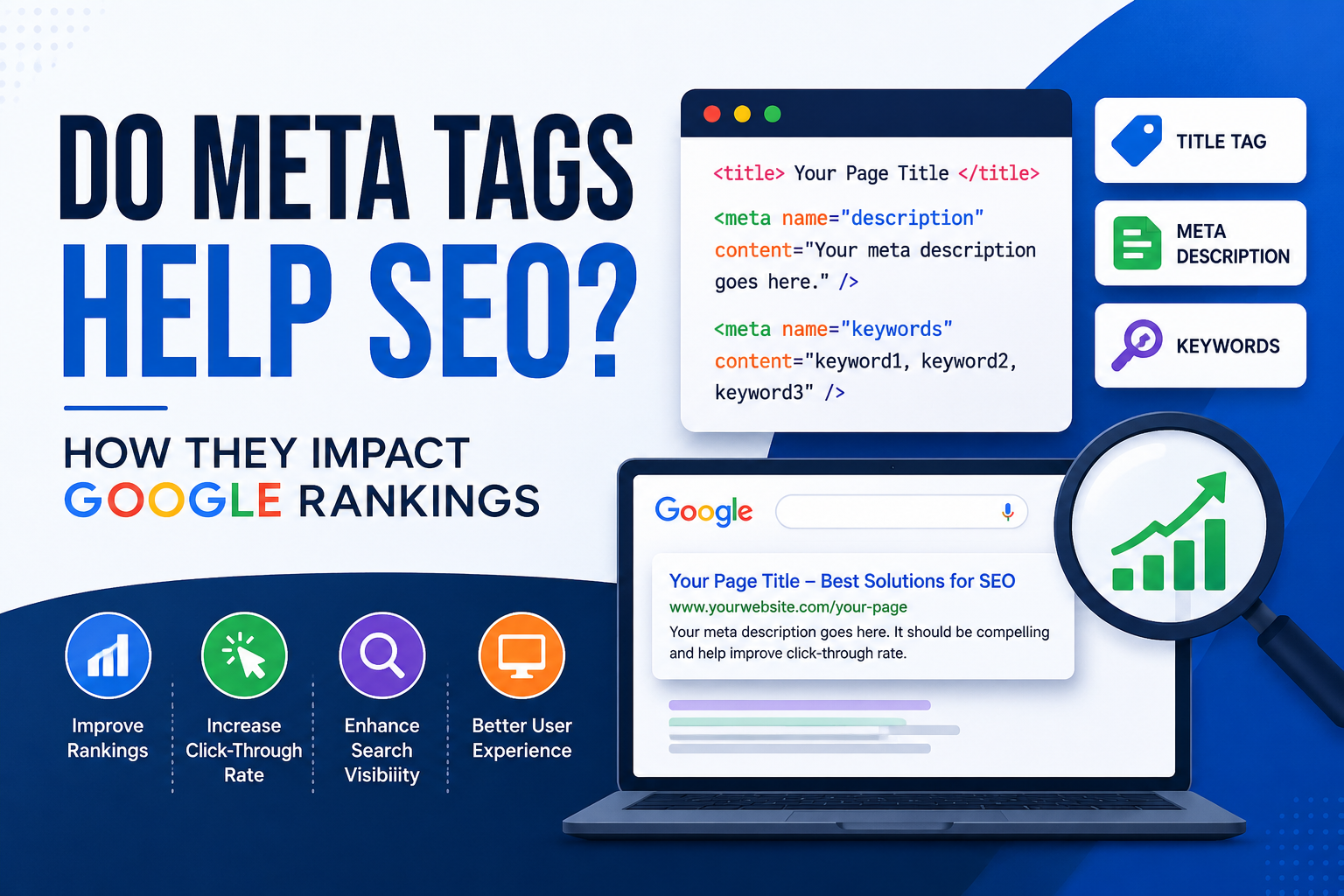
Title tags remain one of the strongest on-page SEO signals. Research consistently shows that placing the primary keyword near the beginning of the title can improve relevance and visibility. Effective title tags should be compelling, descriptive, and concise.
Meta descriptions do not directly influence rankings, but they significantly impact click-through rates. A well-written meta description acts like an advertisement for your page, encouraging users to choose your result over competitors.
Header Tags (H1, H2, H3, H4)
Headers organize content for both users and search engines. The H1 should clearly communicate the primary topic, while H2, H3, and H4 headings structure supporting information logically. Studies show that proper heading usage strengthens topical relevance and improves readability.
URL Structure and Internal Links
Simple, descriptive URLs help search engines understand page content. A URL such as:
example.com/keyword-targeting-guide
is far more effective than:
example.com/page123
Internal linking also plays a critical role. Strategic internal links guide users through related content while helping search engines discover and understand page relationships. Industry research indicates that effective internal linking delivers measurable SEO benefits.
Image Optimization and Alt Text
Images enhance user engagement and provide additional ranking opportunities. Optimized file names, compressed images, and descriptive alt text improve accessibility while helping search engines understand visual content.
A strong alt text example:
“Keyword targeting workflow for on-page SEO optimization”
This approach supports both SEO and user experience.
Step-by-Step Keyword Placement Guide
Where to Place Primary Keywords
For maximum effectiveness, place primary keywords in:
- Title tag
- H1 heading
- URL
- First 100 words
- Meta description
- Image alt text
- Conclusion
Research continues to show that strategic keyword placement strengthens relevance signals and improves visibility.
Where to Place Secondary Keywords
Secondary keywords should appear naturally throughout supporting headings, body content, image descriptions, and internal anchor text. The goal is to create comprehensive topical coverage rather than repeating the same phrase excessively.
Successful content reads naturally while still communicating relevance to search engines. If keyword placement feels forced, it likely needs adjustment.
Technical Factors Supporting On-Page SEO
Core Web Vitals
Core Web Vitals measure loading speed, interactivity, and visual stability. These metrics have become increasingly important because they directly influence user experience. Fast-loading pages reduce bounce rates and improve engagement, both of which contribute to stronger SEO performance.
A slow website is like a store with a locked front door. Visitors may arrive, but many will leave before entering. Optimizing performance ensures users can access content quickly and efficiently.
Mobile Optimization
Mobile-first indexing means search engines primarily evaluate the mobile version of a website. Studies indicate that mobile optimization influences a significant percentage of ranking outcomes. Responsive design, touch-friendly navigation, and fast mobile performance are now essential rather than optional.
Businesses that prioritize mobile usability create better experiences for users while meeting search engine expectations.
Measuring Success and Continuous Optimization
Tracking Rankings and User Engagement
SEO success depends on measurement. Key performance indicators include:
- Organic traffic
- Keyword rankings
- Click-through rate
- Bounce rate
- Time on page
- Conversion rate
Monitoring these metrics helps identify opportunities for improvement and ensures optimization efforts align with business goals.
Updating Content for Long-Term Growth
SEO is not a one-time project. Search trends, algorithms, and user expectations continue to evolve. Regular content updates help maintain relevance and improve rankings over time. Studies suggest that fresh, satisfying content remains one of the strongest ranking signals in modern search environments.
Updating statistics, adding new examples, and expanding topic coverage can significantly extend the lifespan of high-performing content.
Conclusion
Keyword targeting and on-page SEO remain at the heart of successful search engine optimization. While algorithms have become more sophisticated, the fundamental goal remains unchanged: helping search engines understand content while delivering value to users. Effective keyword research, strategic placement, logical content structure, and strong user experience work together to improve rankings and visibility.
The most successful websites treat SEO as an ongoing process rather than a checklist. They align content with user intent, build topical authority through comprehensive coverage, and continuously optimize performance. By applying the visual frameworks and strategies outlined in this guide, businesses can create content that not only ranks well but also provides meaningful value to their audience.
FAQs
1. What is keyword targeting in SEO?
Keyword targeting is the process of selecting and optimizing content around specific search terms that users enter into search engines to improve visibility and rankings.
2. How many times should I use a keyword in an article?
There is no ideal number. Focus on natural usage and comprehensive topic coverage rather than keyword density.
3. Are long-tail keywords better than short-tail keywords?
Long-tail keywords often generate higher conversion rates and face less competition, making them valuable for targeted SEO campaigns.
4. What is the most important on-page SEO factor?
Content relevance, title tag optimization, user intent alignment, and page experience are among the most influential factors.
5. How often should I update SEO content?
Review important content every 6–12 months or whenever significant industry changes occur to maintain accuracy and competitiveness.