If you have been working on SEO for any amount of time, you have probably asked: do keywords matter anymore? The short answer is yes—but not in the old-fashioned way. Google has become much better at understanding topics, context, entities, synonyms, and search intent, so simply repeating the same phrase across a page is no longer an effective ranking strategy. Google itself recommends using the words people would use to find your content in prominent locations while also creating helpful, people-first content.
Do Keywords Matter in SEO Today?
Keywords still provide an important connection between what people search for and what your website offers. When you understand the language your audience uses, you can create pages that clearly address their questions, problems, products, or services. The difference in 2026 is that successful SEO is less about forcing an exact keyword into every paragraph and more about covering the subject naturally and completely.
Google’s current documentation specifically says creators should think about the words users might search for and use those words in prominent places such as the page title and main heading. At the same time, Google’s language systems can understand many variations even when the exact search phrase does not appear on the page.
Why Search Terms Still Matter
Imagine keywords as road signs. They help Google understand where a page is going, while the actual content tells Google whether the destination is useful. A page targeting “how to use keywords for SEO” should naturally explain keyword research, search intent, placement, optimization, and common mistakes. You do not need to repeat the phrase dozens of times.
This is why do keywords matter in SEO remains a relevant question. Keywords help define the topic, but quality, usefulness, relevance, and overall page experience determine whether that topic deserves visibility.
How Google Understands Keywords
Modern search engines don’t rely solely on exact word matching. Google says its language-matching systems can understand relationships between different ways of searching for the same information. Someone searching for “best running shoes” might encounter pages discussing suitable footwear, cushioning, stability, or trail shoes even if every possible variation isn’t written repeatedly.
That means your goal should be to make the topic unmistakably clear while writing naturally for humans.
Are Keywords Still Relevant in SEO?
Yes. Are keywords still relevant in SEO? Absolutely—but their role has evolved. A keyword should be treated as a representation of a search need rather than a phrase that must be inserted mechanically.
For example, if your target keyword is “WordPress SEO keywords,” your article might naturally discuss keyword research for WordPress, title optimization, headings, URLs, plugins, internal links, and content structure. These related concepts help create a complete resource instead of a page that simply repeats one phrase.
Exact-Match Keywords vs. Search Intent
Exact-match keywords can still be useful because they tell you exactly how a person searches. However, matching words is only one part of the equation. You also need to determine what the searcher actually wants.
Someone searching “add keywords to Wix website” probably wants practical instructions. Someone searching “are keywords still important for SEO” wants an explanation. Someone searching “best keywords for a website” may be researching keyword selection.
The page should satisfy that intent instead of merely mentioning the keyword.
Semantic Keywords and Related Terms
Related terms give search engines additional context. If your primary topic is SEO keywords, natural supporting terms might include search intent, keyword research, long-tail keywords, rankings, on-page SEO, headings, URLs, internal links, and organic traffic.
You shouldn’t add these terms just because an SEO tool recommends them. Include them when they genuinely help explain the subject. Google’s guidance emphasizes useful, readable, well-organized, original content rather than content created primarily to manipulate rankings.
Are Keywords Still Important for SEO?
Are keywords still important for SEO? Yes, especially for content planning and on-page relevance. They help you discover what your audience cares about, choose appropriate topics, structure pages, and communicate the subject clearly to search engines and readers.
Keywords are particularly valuable when creating new content because they can reveal the difference between what you think users want and what they actually search for.
Keywords in Titles and Headings
Your primary topic should normally be reflected in a clear, descriptive title. Google explains that title links can be influenced by the page’s <title> element and headings, and recommends titles that are unique, clear, concise, and accurate.
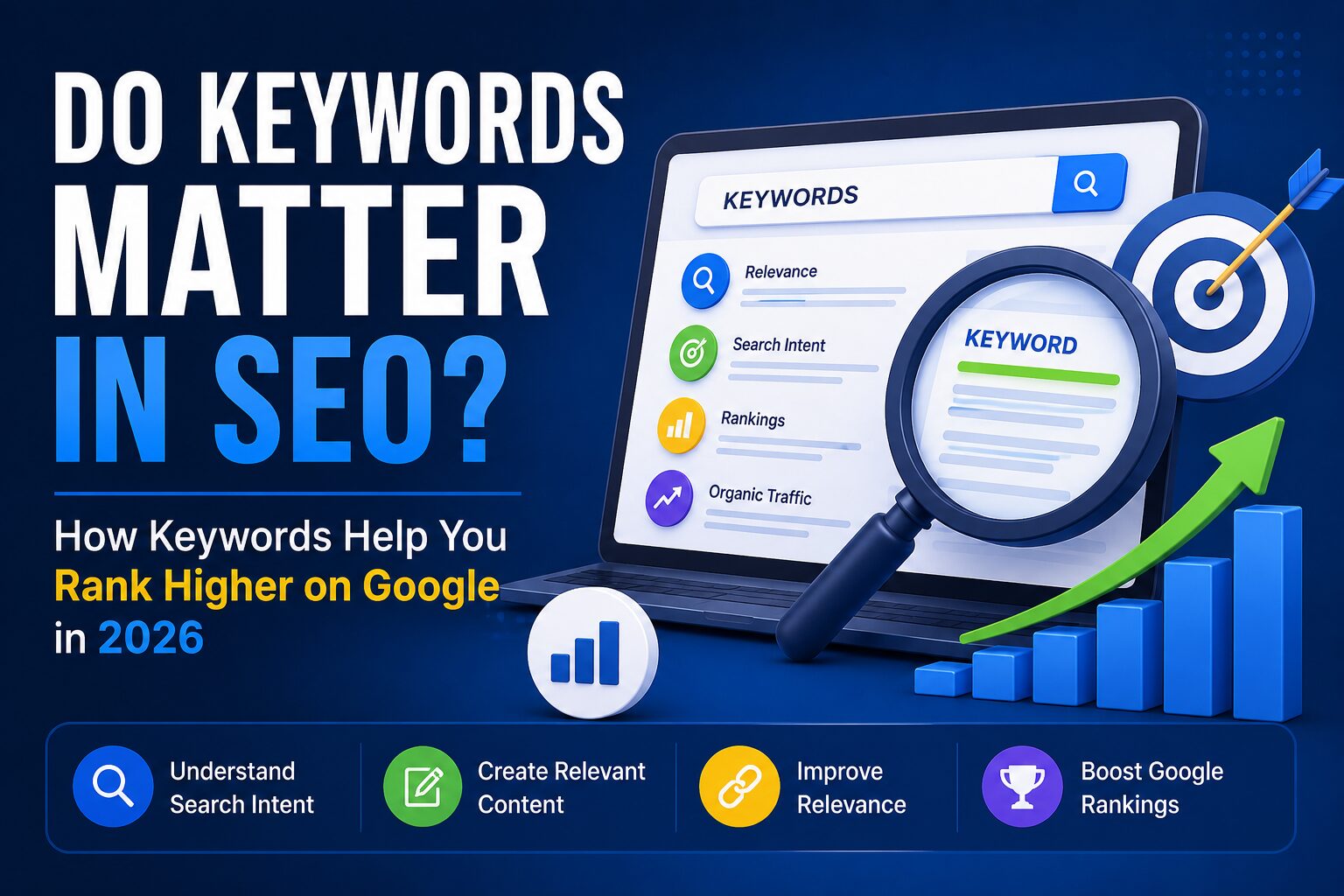
For example, instead of creating a vague title such as “SEO Tips,” a more descriptive title could be “Do Keywords Matter in SEO? How Keywords Help You Rank Higher on Google in 2026.” It immediately communicates the subject and matches a specific search need.
Where Should You Add Keywords to a Website?
If you’re wondering how to add keywords to website pages, start with locations where they genuinely help users understand the content. Your main keyword can naturally appear in the title, introduction, relevant headings, URL, body content, and sometimes image alt text when it accurately describes the image.
Google’s Search Essentials recommends using words people would use to find your content in prominent locations such as the title and main heading, as well as descriptive locations such as alt text and link text.
Body Content and URLs
Your body content should use keywords naturally rather than following an arbitrary density percentage. Write the page as though you’re explaining the subject to someone who genuinely needs the information.
URLs can also be descriptive. Google recommends using words in URLs that may help users understand what a page is about.
Meta Descriptions and Image Alt Text
A keyword can be useful in a meta description when it fits naturally, although the meta description itself isn’t a magic ranking lever. Google may use the page’s content or meta description when generating a search snippet.
For images, alt text should describe the image accurately rather than becoming a place to dump keywords.
Are Meta Keywords Useless?
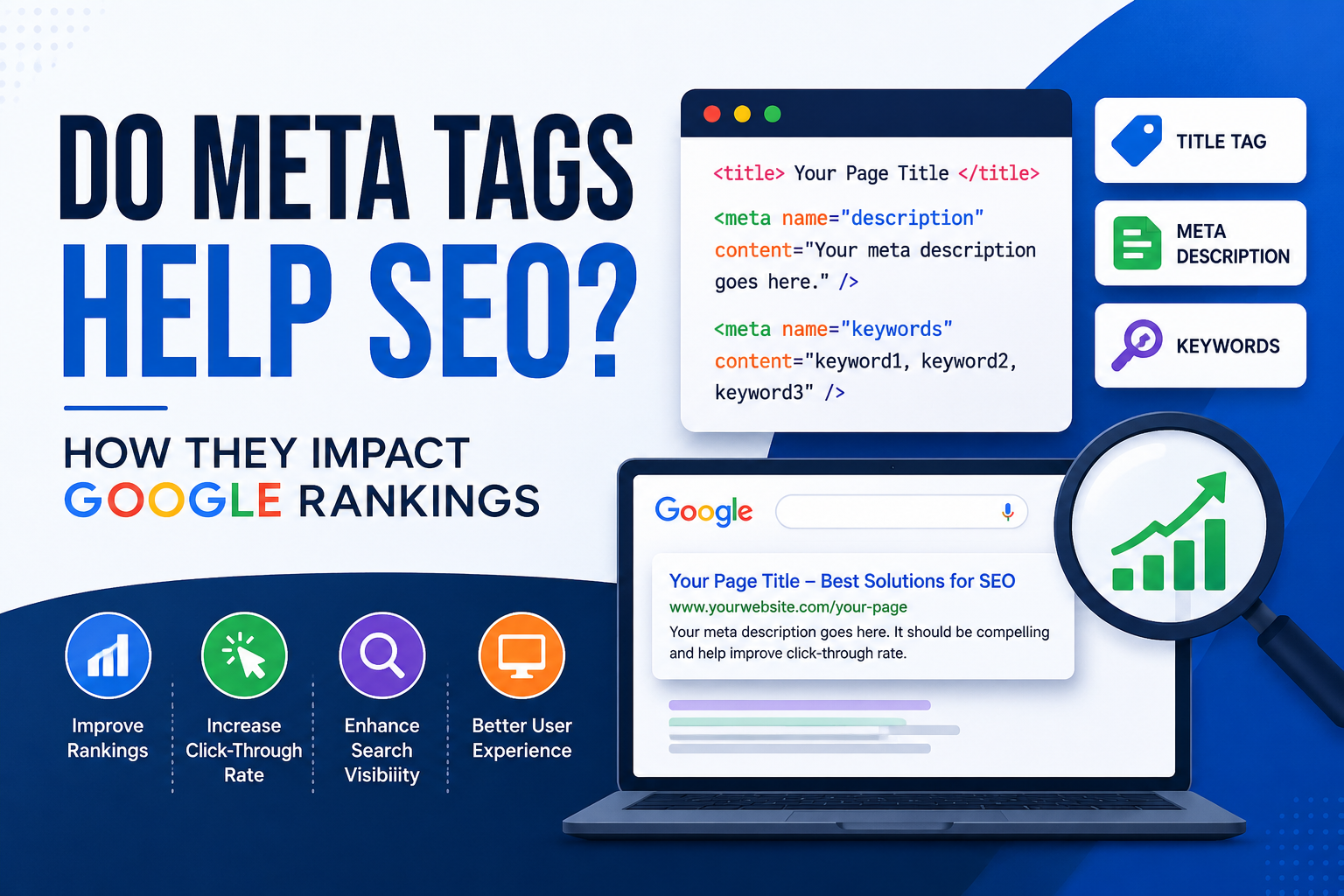
If by meta keywords you mean the old HTML <meta name=”keywords”> tag, then yes, you can stop worrying about it for Google Search. Google’s current documentation explicitly states that the meta-keywords tag is not used by Google Search and has no effect on indexing or ranking.
So don’t waste time searching for the best meta keywords or adding long lists of phrases to your website’s meta keywords field. Put that effort into useful page content, strong titles, internal linking, technical SEO, and understanding search intent.
How to Use Keywords for SEO Without Keyword Stuffing
The best keyword strategy is simple: use the language of your audience naturally, then focus on answering their needs better than competing pages. You don’t need to repeat your primary phrase every few sentences.
Google defines keyword stuffing as filling a page with keywords or numbers in an attempt to manipulate rankings, including repeating phrases so frequently that the writing becomes unnatural.
Focus on Natural Language
Instead of asking, “How many times should I use my keyword?” ask, “Have I clearly answered the searcher’s question?” That shift can dramatically improve your content strategy.
Use your primary keyword where it makes sense, then explain the topic using normal language, examples, related concepts, and useful details. This creates content that works for readers first while still giving search engines strong contextual signals.
Do Keywords Still Matter for SEO in 2026?
So, do keywords still matter for SEO in 2026? Yes—but they are one component of a much larger SEO system. Keywords help establish relevance, while useful content, search intent, site structure, technical accessibility, links, and overall quality contribute to how well a page performs.
Google’s current SEO guidance emphasizes helpful, reliable, people-first content and warns against creating content primarily to attract search-engine traffic.
Build Content Around Search Intent
The strongest approach is to start with a keyword, identify the intent behind it, and build the best possible answer around that intent. Think of the keyword as the starting point rather than the finish line.
If your content genuinely helps visitors accomplish what they came to Google to do, you are using keywords in the way modern SEO demands.
Conclusion
Do keywords matter? Yes, but keyword optimization has changed. In 2026, successful SEO isn’t about stuffing exact phrases into every corner of a webpage. It’s about understanding what people search for, using relevant language naturally, creating clear page structures, and delivering genuinely useful information.
Use keywords to guide your content strategy, titles, headings, URLs, and topical coverage—but don’t let keywords make your writing robotic. The best SEO content sounds natural because it is written for people first while giving Google enough context to understand what the page is about.
FAQs
1. Do keywords still matter for SEO in 2026?
Yes. Keywords remain useful for understanding search demand and communicating page relevance, but exact-match repetition is much less important than satisfying search intent and creating helpful content.
2. Are keywords still relevant in SEO?
Yes. Keywords remain valuable for content planning, on-page optimization, titles, headings, URLs, and understanding what users are searching for.
3. How many keywords should I use on a page?
There is no universal ideal keyword count or density. Use your primary and related terms naturally wherever they improve clarity. Avoid repeating phrases simply to influence rankings.
4. Are meta keywords useful for Google SEO?
No. Google states that the meta-keywords tag has no effect on Google Search indexing or ranking.
5. How do I use keywords for SEO correctly?
Research what your audience searches for, identify the search intent, use the main topic naturally in important page elements, cover related subtopics, and focus on creating original, helpful, people-first content.